
Nicole Curtin DC, CACCP
Every Fall in Buffalo it's the same thing. The maples let go all at once, somebody spends Saturday afternoon clearing the yard, and by Monday they're calling us, sore, stiff, and wondering what happened.
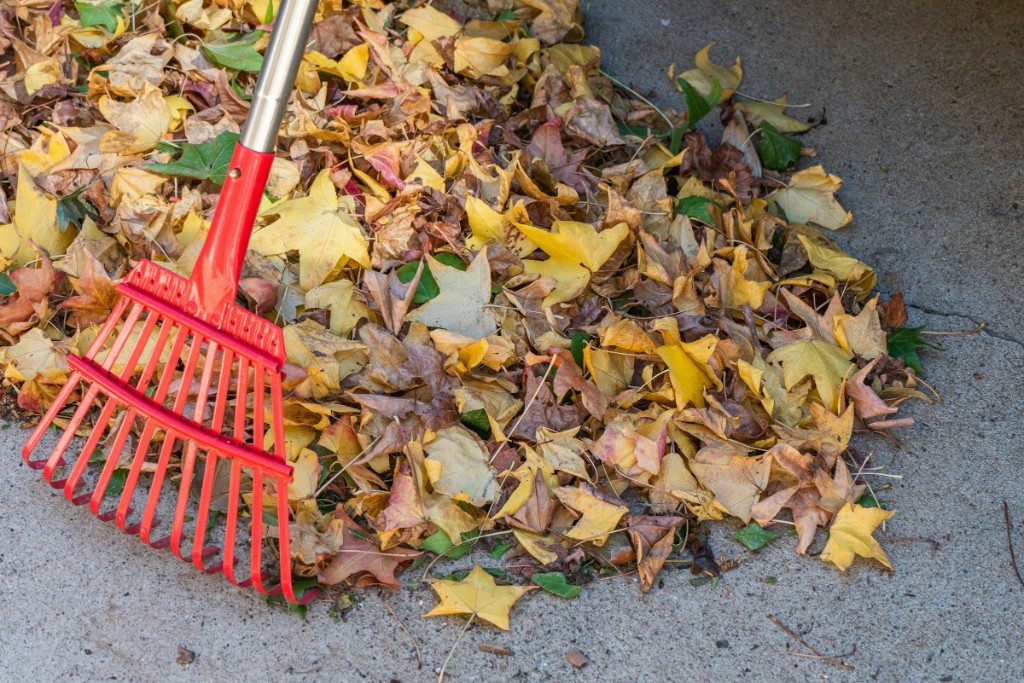
Raking doesn't feel like exercise while you're doing it. But think about what it involves: a few hours of pulling, twisting and bending, then hauling heavy, sometimes wet, leaves to the curb. Most of us haven't asked our backs to do that since last fall.
You don't have to give up the job. You just need to do it a little differently.
Loosen up first
It sounds silly to stretch before yard work, but five minutes makes a real difference. Walk the yard once to size up the job and get your blood moving. Then turn slowly side to side with your hands on your hips, roll your shoulders a few times, and stretch the backs of your legs by resting a heel on the porch step and leaning forward a bit.
Keep it easy. If a stretch hurts, back off. You're waking your muscles up, not testing them.
How you rake matters
Most raking injuries come from two habits: twisting at the waist and reaching too far. A few small changes go a long way.
Stand with one foot in front of the other, knees slightly bent, and rock your weight back and forth as you pull. Every few minutes, switch your hands and your front foot. It will feel awkward on your weaker side. Do it anyway, or else one side of your back ends up doing the whole yard.
When you need to change direction, turn your feet instead of your torso. Keep your strokes short and close to your body, and gather the leaves into several small piles rather than one giant one.
Bagging is where a lot of people get hurt. Squat down to pick up leaves, hold the armful close to your chest, and don't twist while you're carrying it. Go easy on how full you pack the bags, too. Wet leaves are much heavier than they look, and a half-full bag is plenty.
Take a break every 15 or 20 minutes. Stand up straight, put your hands on your lower back and lean back gently. Grab a drink of water. The leaves will wait.
A few tools that help
Check your rake first. The handle should come up to about your chin or higher; anything shorter keeps you hunched over the whole time. If you're buying a new one, a rake with a bent or padded handle is easier on your back and wrists.
Wear gloves so you aren't white-knuckling the handle, and shoes with good tread, since wet leaves are slick. One of our favorite tips is to rake onto an old tarp and drag it to the curb or compost pile. It saves a lot of lifting. For bigger yards, a mulching mower or leaf blower can handle much of the repetitive work, though it still pays to switch hands and stand up straight.
If you're pregnant
We work with a lot of expectant moms, and we know how strong and capable they are. Being pregnant doesn't mean you can't handle a rake. But if someone else offers to take care of the leaves this year, whether it's your partner, a family member or the neighbor's teenager, we'd encourage you to let them. You're already doing plenty of heavy lifting. If you'd rather do it yourself, that's okay too. For most healthy pregnancies, light raking is fine.
It helps to know why pregnancy changes things. Your body makes a hormone called Relaxin that loosens your ligaments to prepare for delivery, and your center of gravity shifts forward as your belly grows. Both make it easier to strain your back or lose your balance.
If you do pick up the rake, here's what we tell our pregnant patients:
- Keep sessions short, about 10 to 15 minutes, and sit down in between.
- Stand with your feet a little wider apart than usual for better balance.
- Don't twist or reach. Keep the rake close and turn with your feet.
- Let someone else do the bagging, lifting and tarp dragging.
- Watch for wet patches, roots and sticks hiding under the leaves. And this isn't the year to climb a ladder to clean the gutters.
- Dress in layers and keep water nearby. It's easy to overheat, even on a cool day.
Chiropractic care during pregnancy can also help with the low back and hip aches so many women deal with. We work with moms-to-be every week and adjust our techniques to each stage of pregnancy.
How we can help
Riverview Chiropractic Health is a family practice in Kenmore. We see patients of all ages, from babies and kids, to pregnant moms, to people who simply overdid it in the yard. At your first visit, we'll take time to talk with you and do a full exam before recommending any treatment, so you know exactly what's going on and what the plan is. If the leaves got the better of you this weekend, give us a call to set up your appointment.